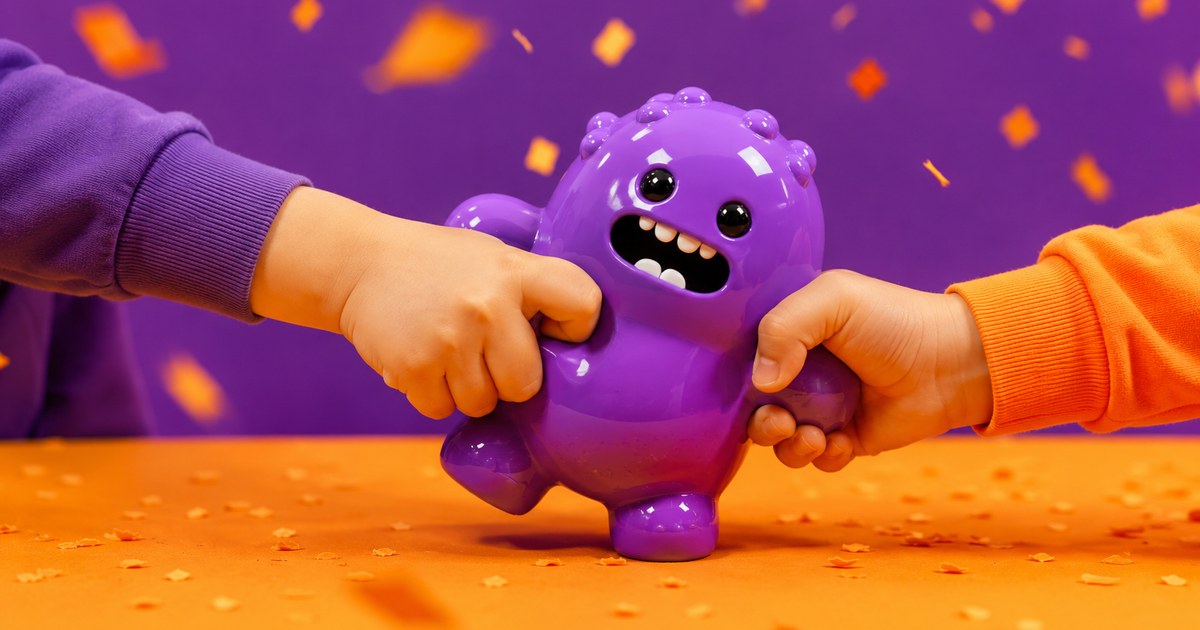
Nobody planned Italian brainrot. It grew out of largely uncredited TikTok uploads with no studio, no contracts, and no credits screen, which is exactly why a real courtroom fight over who owns it is such a strange, genuinely new kind of story. As of August 2026, that fight is happening, and it centers on the character almost everyone has seen: Tung Tung Sahur.
Who owns Italian brainrot? As of August 2026, nobody has a clean answer. NPR reported in August 2026 that Do Big Studios, maker of the Roblox game Steal a Brainrot, and a French company called Mementum Lab are in an active legal dispute over the character Tung Tung Sahur, with Do Big trying to invalidate any copyright claim on it while Mementum countersues for trademark infringement. No ruling has been reported yet.
How this started
Steal a Brainrot, made by Sam Brakta (who goes by SpyderSammy online) and his company Do Big Studios, turned into one of Roblox’s biggest games after launching in 2025, built around collecting and “stealing” brainrot characters from other players’ bases. Our beginner’s guide to Steal a Brainrot covers how the game itself works.
According to NPR, once the game rocketed up the charts, Do Big received a letter from Mementum Lab, a French company representing the young creators behind several brainrot characters, asking Do Big to enter licensing negotiations over one specific character used in the game: Tung Tung Sahur. Rather than negotiate, Do Big moved to invalidate any copyright claim over the character. Mementum responded by countersuing, alleging trademark infringement instead.
What this means if you play the game
If you actually play Steal a Brainrot, the practical answer is: nothing changes for you right now. You can still collect Tung Tung Sahur, still post your own videos, still draw and remix the characters. Roblox has pulled and restored brainrot characters over licensing issues before, so it is possible a character gets removed or renamed in a future update, but that would be a business decision between companies, not something a player did wrong. Nothing in the reported dispute is aimed at players making or sharing memes for fun. It is about who can make money from these characters commercially, and that is a question for two companies and a court, not for the people playing.
Copyright and trademark are not the same fight
This is the part that gets flattened in a lot of quick coverage, and it is worth getting right because the two claims mean genuinely different things.
Copyright protects an original creative work, like a specific piece of art or writing, from being copied without permission. Trademark protects a brand identifier, like a name or logo, from being used by someone else in a way that confuses consumers about who is behind it. Do Big trying to invalidate a copyright claim and Mementum countersuing over trademark is not the same argument twice. It is two separate legal questions: can anyone own the original Tung Tung Sahur artwork, and separately, can anyone claim exclusive rights to using the name “Tung Tung Sahur” commercially. Courts can (and often do) answer those two questions differently.
Why does an AI-generated meme character even raise these questions? Because Tung Tung Sahur, like most Italian brainrot figures, was made with AI image and voice tools by an identifiable creator rather than being a fully anonymous, ownerless internet artifact. Our Tung Tung Tung Sahur explainer covers the character’s actual origin and what its name means, separate from the legal fight now attached to it.
Why this matters beyond one character
NPR frames the dispute as a case that “could shape who owns AI art” more broadly, not just for brainrot memes. That is the real stakes: courts have not settled how copyright applies to AI-generated characters with a traceable human creator behind the prompt, and this is one of the first disputes forcing the question into the open. Whatever gets decided about Tung Tung Sahur specifically could become a reference point for every other AI-generated character with commercial value riding on it, brainrot or otherwise. For context on how the cast got this big this fast, our Italian brainrot characters roster tracks who arrived when, and our timeline of how the trend started covers the stretch when all of this was still just anonymous uploads.
For everyday brainrot fans, and for the teachers and parents wondering whether any of this touches them, nothing reported so far touches your own brainrot creations. Making, sharing, or playing with these characters for fun is not what the lawsuit is about; it is a business dispute between a game studio and a company representing specific original creators over one specific commercially valuable character. If the case resolves in a way that changes what companies can and cannot do with these characters commercially, that would be genuinely newsworthy, and this post will get updated when there is an actual outcome to report rather than a guess.
What we don’t know yet
As of August 2026, there is no ruling, no settlement, and no confirmed timeline for either. Any post or video claiming to know how this ends is getting ahead of the facts. What is documented is the dispute itself: who filed what, over which character, and on what legal grounds, per NPR’s reporting.
The characters at the center of the story keep being the same ones fans already love drawing, remixing, and inventing new versions of. If you want to make your own without touching the trademark question at all, describe two ideas of your own in Rotino and it generates a brand-new character, no borrowed name required.